 English
 Español
 Português
 русский
 Français
 日本語
 Deutsch
 tiếng Việt
 Italiano
 Nederlands
 ภาษาไทย
 Polski
 한국어
 Svenska
 magyar
 Malay
 বাংলা ভাষার
 Dansk
 Suomi
 हिन्दी
 Pilipino
 Türkçe
 Gaeilge
 العربية
 Indonesia
 Norsk
 تمل
 český
 ελληνικά
 український
 Javanese
 فارسی
 தமிழ்
 తెలుగు
 नेपाली
 Burmese
 български
 ລາວ
 Latine
 Қазақша
 Euskal
 Azərbaycan
 Slovenský jazyk
 Македонски
 Lietuvos
 Eesti Keel
 Română
 Slovenski
 मराठी
 Srpski језик


How Can a Handheld Mini Ironing Steam Compact Iron Simplify Garment Care?
Article Summary
A handheld mini ironing steam compact iron offers a space-saving approach to keeping clothes neat without relying on a full-size ironing appliance. Depending on its design, a compact model may provide a heated soleplate, steam output, adjustable temperature settings, or a combination of functions. Choosing the right product requires more than comparing size and power ratings. Buyers should evaluate heating performance, water tank capacity, fabric compatibility, ergonomic design, electrical safety, maintenance requirements, and intended use. This guide explains how to assess compact ironing appliances, use them effectively, compare product types, and identify important specifications when sourcing products for retail or wholesale distribution. It also introduces practical questions that buyers can discuss with Cixi Meiyu Electric Appliance Co.,Ltd. before making a purchasing decision.
01 · Product Basics
What Is a Handheld Mini Ironing Steam Compact Iron?
Wrinkled clothes can make an otherwise well-prepared outfit look untidy. However, a full-size iron and ironing board may be inconvenient in a small apartment, dormitory, hotel room, or temporary living space. This is where compact ironing appliances can offer a practical alternative.
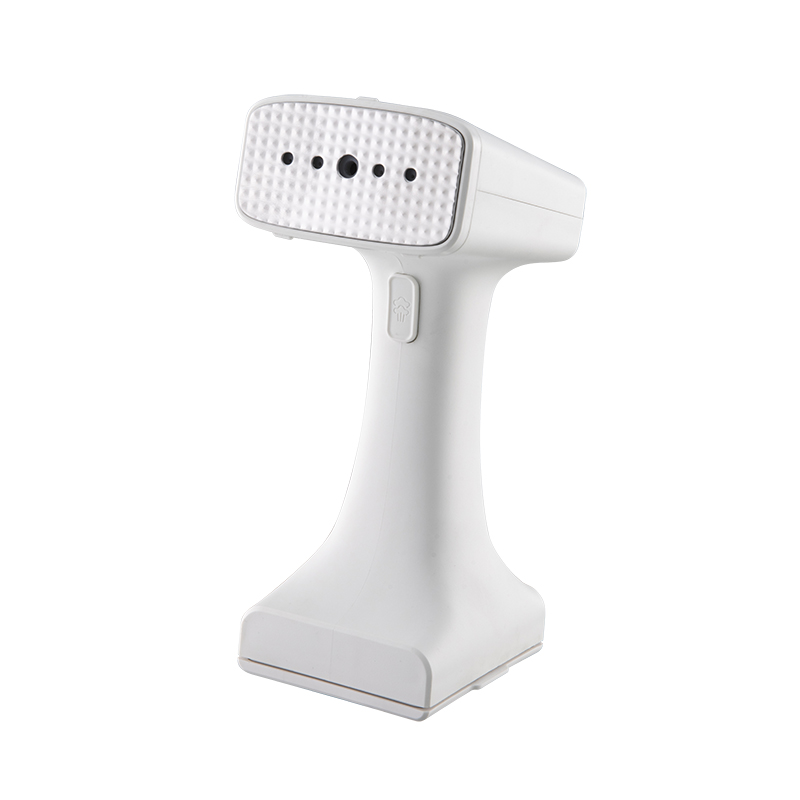
The term Handheld Mini Ironing Steam Compact Iron describes a compact garment-care product intended to make ironing or wrinkle removal more convenient. The exact configuration varies by model. Some products use a small heated soleplate to press fabric directly, while others release steam through a handheld head. Certain models combine pressing and steaming functions.
These differences matter because steamers and irons do not always produce the same result. A heated soleplate applies direct contact and pressure, which can help flatten seams, collars, cuffs, and hems. A garment steamer generally relaxes wrinkles using hot steam and may be more convenient for refreshing suitable hanging garments.
For consumers, the right choice depends on clothing types, available workspace, storage requirements, and the desired finish. For distributors and retailers, understanding these differences makes it easier to match products with customer expectations.
Key buying principle: Start with the garment-care task you need to perform. A compact appliance should be evaluated by its practical performance, not simply by its small size or attractive appearance.
02 · Everyday Convenience
Why Compact Ironing Appliances Are Useful
Space-Saving Storage
Compact dimensions make these appliances useful for homes with limited storage. A smaller unit may fit inside a cabinet, drawer, or travel bag, depending on its design and accessories. Before purchasing, check the complete storage dimensions, including the handle, cord, water tank, and protective case.
Convenient for Travel
Business travelers, holidaymakers, and people attending events often need to remove wrinkles from selected garments without carrying bulky equipment. A portable ironing appliance can help with last-minute touch-ups, provided that its voltage, plug type, water requirements, and intended operating conditions are compatible with the destination.
Useful for Small Garments and Detailed Areas
A smaller pressing surface can offer better control around collars, cuffs, narrow hems, and selected garment details. It can also be useful for light household textile projects, subject to the product's instructions and temperature limits.
Convenient for Quick Touch-Ups
When only one shirt or a small section of clothing needs attention, setting up a large ironing station may be unnecessary. A compact model can simplify the process, although the actual preparation time depends on heat-up time, tank size, steam output, and the severity of the wrinkles.
Potentially Suitable for Different Users
Students, people living in apartments, occasional travelers, and households with limited storage may all appreciate compact designs. Retailers can also consider these products for travel accessories, practical gifts, and entry-level household appliance collections.
However, a compact appliance is not automatically suitable for every household. Larger laundry loads, heavy fabrics, and garments requiring sharp creases may be easier to handle with a full-size iron and a stable ironing board.
03 · Buying Guide
Essential Features to Evaluate Before Buying
Product specifications influence convenience, ironing results, and user satisfaction. Buyers should assess the complete design rather than focusing on a single advertised feature.
1. Heating Performance
Rated power can provide useful information about an appliance's electrical requirements, but it does not independently determine how quickly or effectively the product removes wrinkles. Soleplate design, temperature control, heat recovery, steam delivery, and contact area also affect performance.
Ask the manufacturer for the rated voltage, rated power, specified heat-up time, and the conditions under which any performance figures were measured.
2. Steam Output and Water Tank Capacity
For steam-enabled models, tank capacity affects how long the appliance can operate between refills. A smaller tank may be sufficient for occasional touch-ups but less convenient when several garments need attention.
Check the stated steam output, usable tank capacity, recommended water type, filling method, and whether the appliance can be refilled only after cooling. Follow the specific product manual instead of assuming that every model uses the same procedure.
3. Temperature Control and Fabric Compatibility
Different fabrics respond differently to heat and moisture. Adjustable temperature settings can improve versatility, but buyers should verify which settings are available and whether the appliance is appropriate for their intended garments.
4. Soleplate Design
The soleplate affects contact with fabric, maneuverability, and access to small areas. Check the material, edge finish, shape, and ease of cleaning. A pointed tip may be useful for detailed pressing, while the overall soleplate area affects the number of passes needed for larger garments.
5. Weight and Ergonomics
A compact product should be comfortable to hold during its intended operating period. Review the appliance's weight, grip shape, control placement, cord arrangement, and balance when the water tank is full. Ask for actual product dimensions rather than relying only on packaging dimensions.
6. Safety and Electrical Compatibility
Important considerations include stable resting arrangements, suitable thermal protection, insulation, cord quality, and automatic shut-off where provided. Buyers should also verify the applicable electrical and product-safety requirements for their target market.
| Feature | Why It Matters | What to Confirm |
|---|---|---|
| Rated power | Helps establish electrical requirements | Wattage, voltage, frequency, and plug configuration |
| Water tank | Affects refilling frequency | Capacity, filling method, and water requirements |
| Temperature control | Supports different permitted ironing tasks | Available settings and fabric guidance |
| Soleplate | Influences pressing contact and maneuverability | Material, shape, finish, and cleaning instructions |
| Ergonomic design | Improves handling and portability | Weight, grip, cord length, and dimensions |
| Safety features | Helps reduce foreseeable operating risks | Applicable tests, protective features, and instructions |
04 · Product Comparison
Compact Steam Iron vs. Garment Steamer
Compact irons and handheld garment steamers are often discussed together because both can help reduce clothing wrinkles. However, their working methods and ideal applications differ.
| Consideration | Compact Steam Iron | Handheld Garment Steamer |
|---|---|---|
| Working method | Heated soleplate contacts and presses fabric | Steam is directed toward suitable fabric |
| Typical use | Collars, cuffs, hems, seams, and flat pressing | Wrinkle relaxation on suitable hanging garments |
| Workspace | Usually needs a stable, heat-resistant pressing surface | May need a secure hanging arrangement and space for steam |
| Water requirement | Depends on whether steam functionality is included | Generally requires water for steam generation |
| Sharp creases | Generally more suitable for direct pressing | Usually less suitable for crisp, sharply defined creases |
| Main limitation | Small pressing area may require additional passes | May not provide the same pressed finish as direct ironing |
The best option depends on the required finish and the garments involved. Some compact appliances combine ironing and steaming functions, but buyers should verify that each claimed function is supported by the actual product design.
05 · Fabric Care
How to Iron Different Fabrics Effectively
Using the wrong temperature or applying steam to an unsuitable fabric can cause shine, shrinkage, discoloration, or permanent damage. Always read the garment care label and consult the appliance manual before starting.
Cotton
Cotton garments can often tolerate more heat than delicate synthetic fabrics, but the correct setting depends on the garment construction and care label. Slightly damp fabric may be easier to smooth when the garment instructions and appliance permit moisture or steam.
Linen
Linen can develop pronounced creases. For garments that permit ironing, a suitable temperature and controlled moisture may improve results. Use a stable ironing surface and work carefully around seams and decorative details.
Polyester and Synthetic Blends
Many synthetic fabrics are more sensitive to high temperatures. Start with the lowest appropriate setting indicated by the care label and avoid prolonged contact. Excessive heat may cause shiny marks, deformation, or melting.
Silk and Delicate Fabrics
Silk, fine blends, and delicate garments require particular care. Some items should not be steamed or ironed at all. If the label permits pressing, use the recommended low-temperature method and a protective cloth if instructed. Test only in a discreet area when the garment and appliance guidance allow it.
Printed, Coated, or Embellished Clothing
Printed designs, sequins, adhesives, coatings, and decorative trims may be damaged by direct heat or moisture. Avoid applying a hot soleplate directly to these areas unless the manufacturer explicitly permits it.
Important: There is no universal temperature or steaming method that is safe for every fabric. The garment label and the exact appliance instructions should always take priority over general advice.
06 · Practical Instructions
A Practical Step-by-Step Ironing Routine
A consistent routine can help users work efficiently while reducing the risk of burns or fabric damage.
Step 1: Prepare the Garment
Check the care label, empty pockets, and identify prints, buttons, zippers, and delicate sections. Separate garments that require different temperature settings.
Step 2: Prepare a Suitable Workspace
Place the appliance on a stable, level, heat-resistant surface or use the supplied rest as directed. Keep the cord away from walkways and ensure there is enough room to handle the garment safely.
Step 3: Check the Appliance
Inspect the plug, power cord, water tank, and soleplate for visible damage. Do not use a damaged or leaking appliance. If water is required, follow the manufacturer's filling instructions and observe the maximum fill mark.
Step 4: Select the Appropriate Setting
Choose the temperature and steam mode permitted for the fabric. Allow the appliance to reach operating temperature according to its manual. Keep the heated surface and steam outlets away from your body.
Step 5: Work in Controlled Passes
Lay the garment flat on an approved ironing surface when using a pressing iron. Move the appliance according to the manufacturer's instructions and avoid leaving a hot soleplate stationary on the fabric. For suitable steamer models, keep the garment secured and direct steam away from your hands and face.
Step 6: Switch Off and Store Safely
Switch off and unplug the appliance after use. Allow it to cool completely in a safe location before cleaning, draining, or storing it as directed. Keep it away from children and pets while hot.
07 · Safe Operation
Safety and Maintenance Tips for Longer Service Life
Prevent Steam Burns
Steam can cause serious burns even when it is difficult to see. Never direct steam toward people or animals, and do not attempt to iron clothes while wearing them. Keep hands clear of the soleplate and steam outlets.
Use the Correct Electrical Supply
Confirm that the appliance voltage and frequency match the available power supply. A plug adapter changes the plug connection but does not convert voltage. Travelers should check electrical compatibility before connecting the appliance abroad.
Refill Only as Directed
Unplug the appliance and allow it to cool as required before filling or cleaning. Never exceed the maximum water level. Do not add perfume, detergent, starch, or other chemicals unless the manufacturer specifically permits them.
Reduce Mineral Buildup
Water quality can influence scale accumulation in steam-enabled appliances. Follow the manufacturer's water recommendations and descaling schedule. Do not use chemical descalers unless the instructions explicitly approve them.
Inspect Before Every Use
Stop using the appliance if the cord is damaged, water leaks abnormally, the body is cracked, the product emits smoke or a burning smell, or heating and steam functions behave unexpectedly. Disconnect the power when safe and contact the appropriate service provider.
Protect the Product During Storage
Store the cooled appliance in a dry place. Avoid wrapping the cord tightly around hot components, dropping the product, or placing heavy objects on it. Follow the manual for water drainage and long-term storage.
08 · B2B Sourcing
What B2B Buyers Should Check When Sourcing Compact Irons
For importers, wholesalers, retailers, and private-label brands, product sourcing involves more than comparing unit prices. Consistent specifications, market compliance, quality control, packaging, and supply reliability all influence commercial performance.
Confirm Product Specifications
Request a complete specification sheet covering rated power, voltage, frequency, dimensions, weight, water tank capacity, heating performance, available settings, plug type, and included accessories. Make sure the quotation refers to the exact model being evaluated.
Request Samples and Evaluate Performance
Samples allow buyers to inspect construction, grip comfort, finish quality, controls, packaging, and practical operation. Test only according to the product instructions, using appropriate fabrics and safe working conditions. Establish an approved reference sample before mass production.
Verify Applicable Compliance Documents
Electrical appliances may be subject to different safety, electromagnetic compatibility, chemical substance, labeling, and documentation requirements depending on the destination market. Ask the supplier which standards and certifications apply to the specific model and verify the relevant reports and certificates independently where necessary.
Evaluate Manufacturing and Quality Control
Ask how incoming components are inspected, how assembly quality is monitored, and how finished products are tested. Useful checks may include electrical safety, heating performance, temperature control, leakage, cord integrity, and packaging condition, as applicable to the product.
Clarify Order Terms and Packaging
Before confirming a purchase, establish minimum order quantity, sample fees, customization costs, production lead time, carton specifications, shipping arrangements, warranty terms, and procedures for handling defects.
Cixi Meiyu Electric Appliance Co.,Ltd. can be included in your supplier evaluation when sourcing compact ironing appliances. Buyers should contact the company to confirm its current product range, available models, technical specifications, customization options, production capabilities, and order terms rather than assuming that every feature is available on every model.
For wholesale buyers: A detailed specification sheet, representative sample, clear inspection criteria, and written order agreement provide a stronger basis for purchasing decisions than price comparison alone.
09 · Procurement Checklist
Purchasing Checklist for a Handheld Mini Ironing Steam Compact Iron
Use this checklist to compare potential products and organize your supplier discussions.
- Define the target customers and intended use, such as travel, apartment living, or occasional garment care.
- Confirm whether the product is a steam iron, dry mini iron, garment steamer, or combined appliance.
- Check voltage, frequency, rated power, plug type, and destination-market compatibility.
- Review heat-up time, temperature settings, steam output, and tank capacity where applicable.
- Inspect the soleplate, handle, controls, cord, and overall construction.
- Verify safety features and request applicable compliance documentation.
- Evaluate sample performance with appropriate garments and safe operating procedures.
- Confirm MOQ, product pricing, sample charges, packaging, and customization terms.
- Agree on quality inspection procedures, defect handling, warranty, and after-sales support.
- Confirm delivery schedules and all product specifications in writing before bulk production.
By following a structured evaluation process, buyers can select products that better match their customers' needs and reduce avoidable issues during importing, distribution, and after-sales service.
10 · Frequently Asked Questions
Frequently Asked Questions About Handheld Mini Ironing Steam Compact Irons
1. What is a handheld mini ironing steam compact iron used for?
It is designed for compact garment-care tasks, such as smoothing wrinkles, pressing small garment sections, or refreshing suitable clothing, depending on its design. The exact functions vary by model, so buyers should check the product specification before purchasing.
2. Can a compact iron replace a full-size iron?
A compact model can be sufficient for occasional touch-ups, travel, and small garments. However, its smaller pressing surface may require more passes, making it less efficient for large laundry loads or garments requiring sharp creases.
3. Can a compact steam iron be used on all fabrics?
No. Some fabrics, coatings, prints, and decorative details can be damaged by heat or steam. Always follow the garment care label and appliance instructions, and avoid treating materials that are marked as unsuitable for ironing or steaming.
4. How large should the water tank be?
The appropriate capacity depends on the number of garments and expected session length. A small tank may suit occasional touch-ups, while repeated use may benefit from a larger capacity. Compare usable capacity and actual operating guidance rather than tank size alone.
5. Can I take a compact steam iron when traveling internationally?
Potentially, but you must verify the rated voltage, frequency, plug type, airline baggage rules, and destination requirements. A plug adapter does not convert electrical voltage. Follow the manufacturer's travel and operating instructions.
6. How should a compact steam iron be cleaned?
Unplug the appliance, let it cool, and follow the manufacturer's cleaning and descaling instructions. Use only approved cleaning methods and water types. Never immerse the electrical appliance in water or open pressurized components during operation.
7. What should wholesalers look for when buying compact irons?
Wholesalers should evaluate technical specifications, sample quality, applicable compliance documents, supplier production capabilities, minimum order quantity, packaging, lead times, warranty terms, and after-sales support. All critical specifications should be confirmed in writing.
8. How can I request product information from Cixi Meiyu Electric Appliance Co.,Ltd.?
Prepare your target market, estimated order quantity, desired product type, technical requirements, plug configuration, and packaging needs. Contact the company through its verified official communication channels to confirm product availability, specifications, quotations, and sample arrangements.
Looking for a Compact Ironing Appliance Supplier?
Choosing the right handheld mini ironing steam compact iron starts with clear product requirements and reliable technical information. Cixi Meiyu Electric Appliance Co.,Ltd. can be part of your supplier inquiry process when exploring compact garment-care appliances for your business.
Whether you are a wholesaler, importer, retailer, or private-label buyer, prepare your required specifications, estimated order quantity, target market, and packaging preferences to support a more efficient product discussion.
Contact us to discuss product details, sample availability, customization requirements, and wholesale purchasing arrangements.
Confirm the official contact channel, available models, and current order terms directly with the company.
Send Inquiry


X
We use cookies to offer you a better browsing experience, analyze site traffic and personalize content. By using this site, you agree to our use of cookies.
Privacy Policy
-
Email
-
Call Us
-
Address
No. 698, Yu'an Road, Zhouxiang Town, Cixi City
Inquiry For PriceList
If you are interested in our products, like garment steamer, vertical garment steamer, handy garment steamer, you can consult us by email, and we will reply you within 24 hours.